FOR HELICOPTER OWNERS & OPERATORS · ON-SITE · INSURANCE-ALIGNED
No pressure, no scripts — just a clear training plan for you and your insurer.
On Site Training
In Your aircraft.
At Your base.
FOR HELICOPTER OWNERS & OPERATORS · ON-SITE · INSURANCE-ALIGNED
On Site Training
In Your aircraft.
At Your base.
Insurance-aligned initial and recurrent training
Insurance-aligned initial and recurrent training built from EMS, 135, and airline experience, delivered where you actually fly — with the documentation your underwriter expects.
Built to OEM standards, current ACS, and FAR 61.56 Flight Review requirements
FAR 135-standard Upset Recovery and Inadvertent IMC modules — beyond the factory syllabus
Every task demonstrated, iterated, and signed in a line-item training record
Bringing ALL Commercial experience back to the training table
AIRBUS Helicopters · BELL · MD · ROBINSON | OEM FACTORY CONTRACT INSTRUCTOR |
Insurance-accepted since 2006
Part 91 · 121 · 135 · EMS · UTILITY· Tours · Corporate · Charter · VIP
Bringing ALL Commercial experience back to the training table
AIRBUS Helicopters · BELL · MD · ROBINSON | OEM FACTORY CONTRACT INSTRUCTOR |
Insurance-accepted since 2006
Part 91 · 121 · 135 · EMS · UTILITY· Tours · Corporate · Charter · VIP
ON-SITE · FACTORY-LEVEL
Why owners choose on-site, factory-level training
Your renewal shouldn't feel like a pop-up checkride. Flying traffic patterns with an instructor once a year at an unfamiliar airport doesn't build the habits you rely on when you're alone in your aircraft. Avic Air brings a structured, airline-style training standard to your hangar, in your helicopter, around the missions you actually fly.
Train in your own aircraft, with your avionics and your normal routes.
Briefing, checklist, and debrief discipline that carries over when we're not on board.
Scenario-based profiles that reflect your real missions, not just syllabus maneuvers.
We share clear training records and summaries with your broker and underwriter.
A schedule built around your life and maintenance windows, not factory availability.
AIRFRAMES WE TRAIN
Four OEM families. One standard.
Initial, transition, and recurrent programs taught by an instructor with real time in type — not just a course binder.
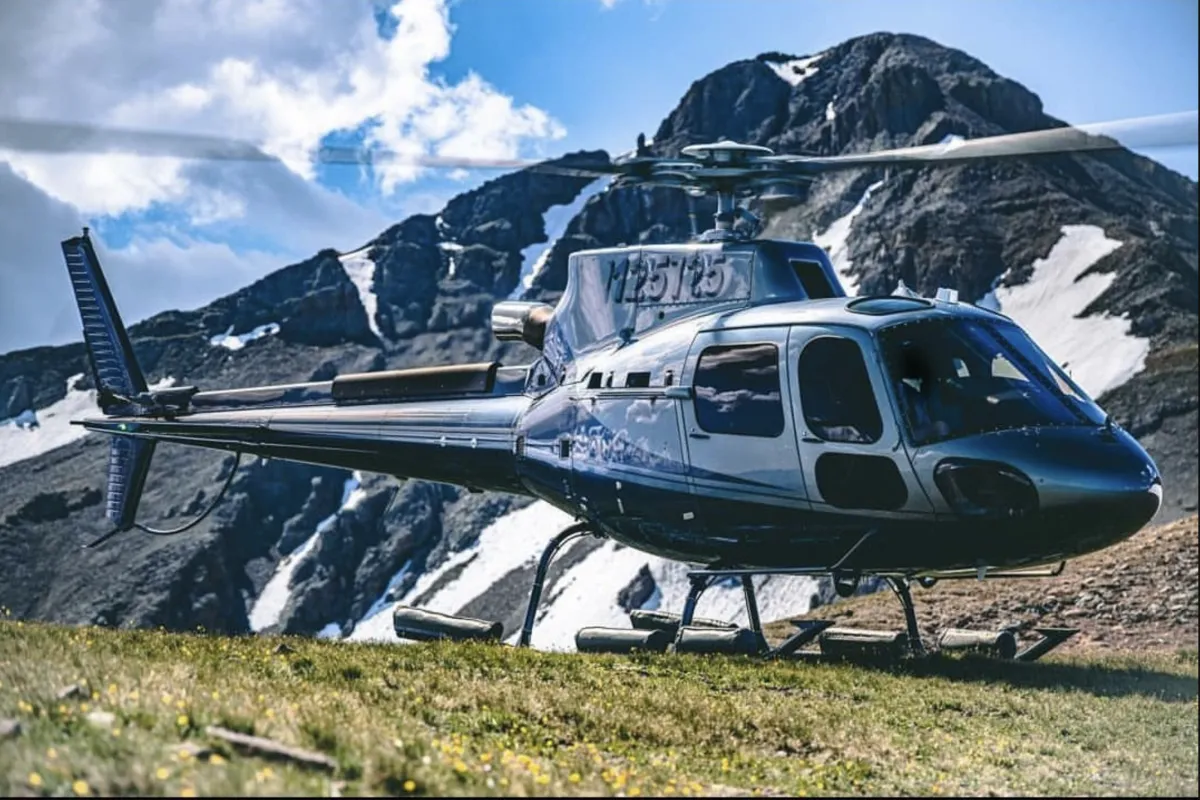
Airbus
H125 / AS350 · H130 T2/B4 · H135 · H145 · H120
combat zone experience brought to you
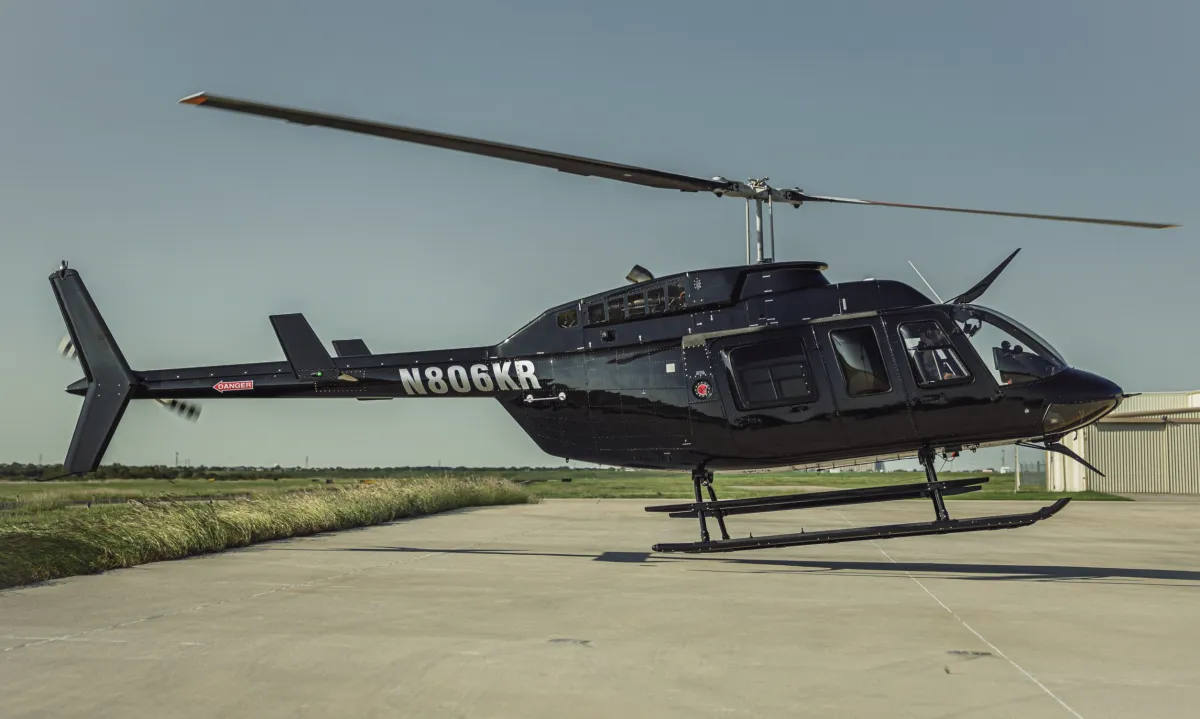
Bell
206 B/L series · 407 · 505 · 212 · 230 · 47
1000's of hours in type contract, ems and utility
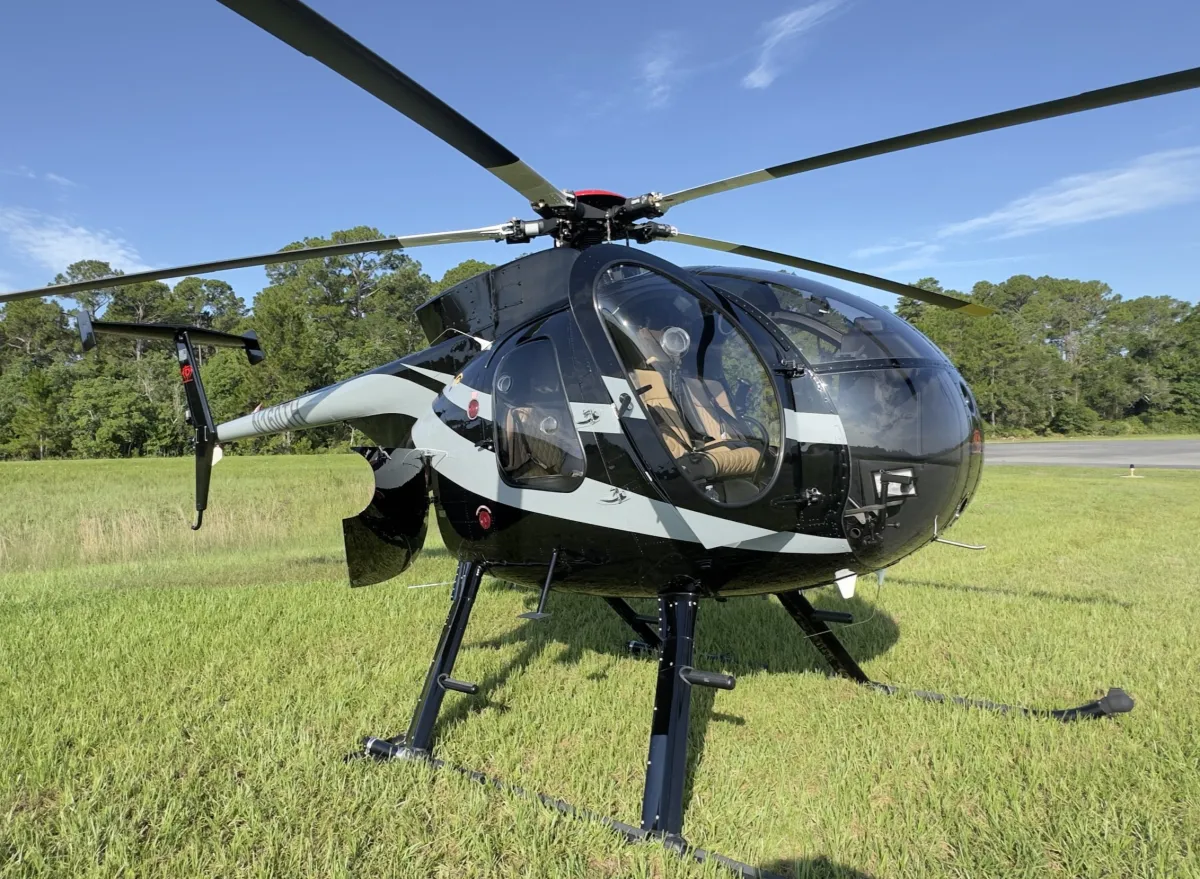
MD Helicopters
MD 500 series C, D, E, FF &
Super D
INSURANCE-ACCEPTED CURRICULUM
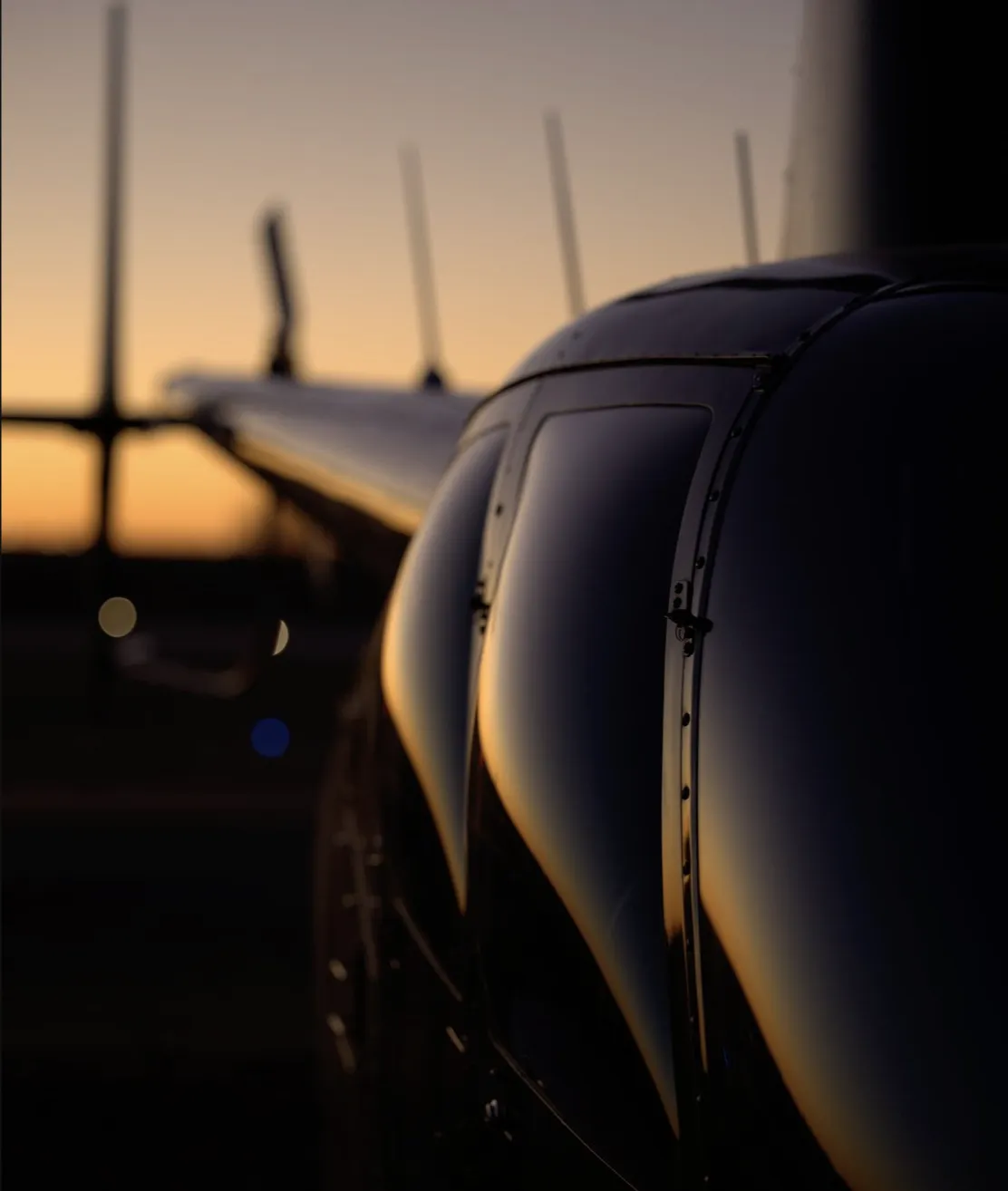
Robinson
R22 · R44 · R66
OWNER/operator-PILOT SPECIALTY
THE PROGRAM
What "factory-level" means in practice
We're not trying to replace the OEM. We extend it. Our training is built to the same technical depth you'd expect from a factory course, then layered with the operational standards used in EMS, 135, and airline cockpits.
INITIAL / TRANSITION
Learn your aircraft cold.
For owners new to the airframe — or stepping up to turbine.
Ground instruction — 4 days · 40+ hours
Flight training — 5 hours in your aircraft
Emergency procedures — Full RFM series, day or night
Completion — Certificate + FAR 61.56 Flight Review.
RECURRENT / ANNUAL
Stay sharp. Stay insured.
The annual program your policy asks for — and then some.
Ground instruction — 3 days · 25+ hours
Flight training — 5 hours in your aircraft
FAR 135-standard modules — Upset Recovery + IIMC
Completion — Certificate + FAR 61.56 Flight Review.
GROUND
Systems, limitations, and real-world failure modes.
Normal, abnormal, and emergency procedures tied back to your POH/AFM.
Practical risk-management and decision frameworks you can actually use.
flight
Profiles designed around your local terrain, weather, and airspace.
Standard callouts, flows, and checklists to reduce "freestyle" flying.
Focused recurrent sessions that build consistency, not just logbook hours.
The curriculum, section by section — drawn from the same syllabus we file with underwriters:
Aircraft Systems & Limitations
Airframe, doors, landing gear & stabilizers | Main rotor system: mast, head, blades, swashplate | Tail rotor & anti-torque system | Engine: inlet-to-turbine, fuel control, ignition, anti-ice | Transmission, freewheel unit & drive train | Electrical, fuel & lighting systems | Weight, airspeed, RPM & CG limitations | Placards, instrument markings & loading configurations
Performance, Weight & Balance
Power check procedures | Height-velocity diagram — and how to stay out of it | IGE / OGE hover ceilings | Density altitude effects on performance and load factor | Weight & balance determination and fuel burn-off | Performance planning for your real missions
Aerodynamics Review - the "why" behind every limit
Hovering flight: translating tendency, HIGE/HOGE | ETL, transverse flow & dissymmetry of lift | Vortex ring state / settling with power | Loss of tail rotor effectiveness (LTE) | Low-G, low rotor RPM & retreating blade stall | Dynamic rollover & pilot-induced oscillation | Autorotation aerodynamics & energy management
Normal & Operational Maneuvers - flown, not discussed
Normal & max-performance takeoffs, climbs at Vy | Steep and shallow approaches to running landings | Confined area, pinnacle & slope operations | Quick stops, rapid decelerations & aborted takeoffs | Critical wind azimuth / LTE demonstration & avoidance | Limited power management during takeoff and landing | Crosswind operations & air taxi
Emergency Procedures - the full series
Autorotations: straight-in, 180°, and enhanced autorotation spot adjustments (customer performance dependent), with power recovery and full down upon request | Power failure at altitude, in a hover & hover taxi | Hydraulic failure in all phases of flight | Loss of tail rotor & tail rotor control failures | Anti-torque failure at a hover | Governor failures & systems malfunctions (RFM) | Vortex ring state & retreating blade stall recovery | Fire in flight / smoke in cabin | Engine failure, forced landings & relight procedures
Specialized Modules - beyond the factory syllabus
Upset Recovery to FAR 135 standards — unusual attitudes & low-altitude recovery risk management | Inadvertent IMC (IIMC) — recognition, safe recovery & instrument approach with ATC | Weather interpretation & forecasting for go/no-go decisions | Part 135 risk assessment protocols adapted for owner-flown operations | Single-pilot CRM & aeronautical decision making
PROOF YOUR UNDERWRITER RESPECTS
50+ signed line items.
Not one vague endorsement.
Most training ends with a sentence in a logbook. Ours ends with an Airman Competency / Proficiency Record — every ground topic, every maneuver, every emergency procedure listed line by line, with iterations flown, satisfactory grades, and instructor initials on each row. It's the difference between claiming training happened and proving it.
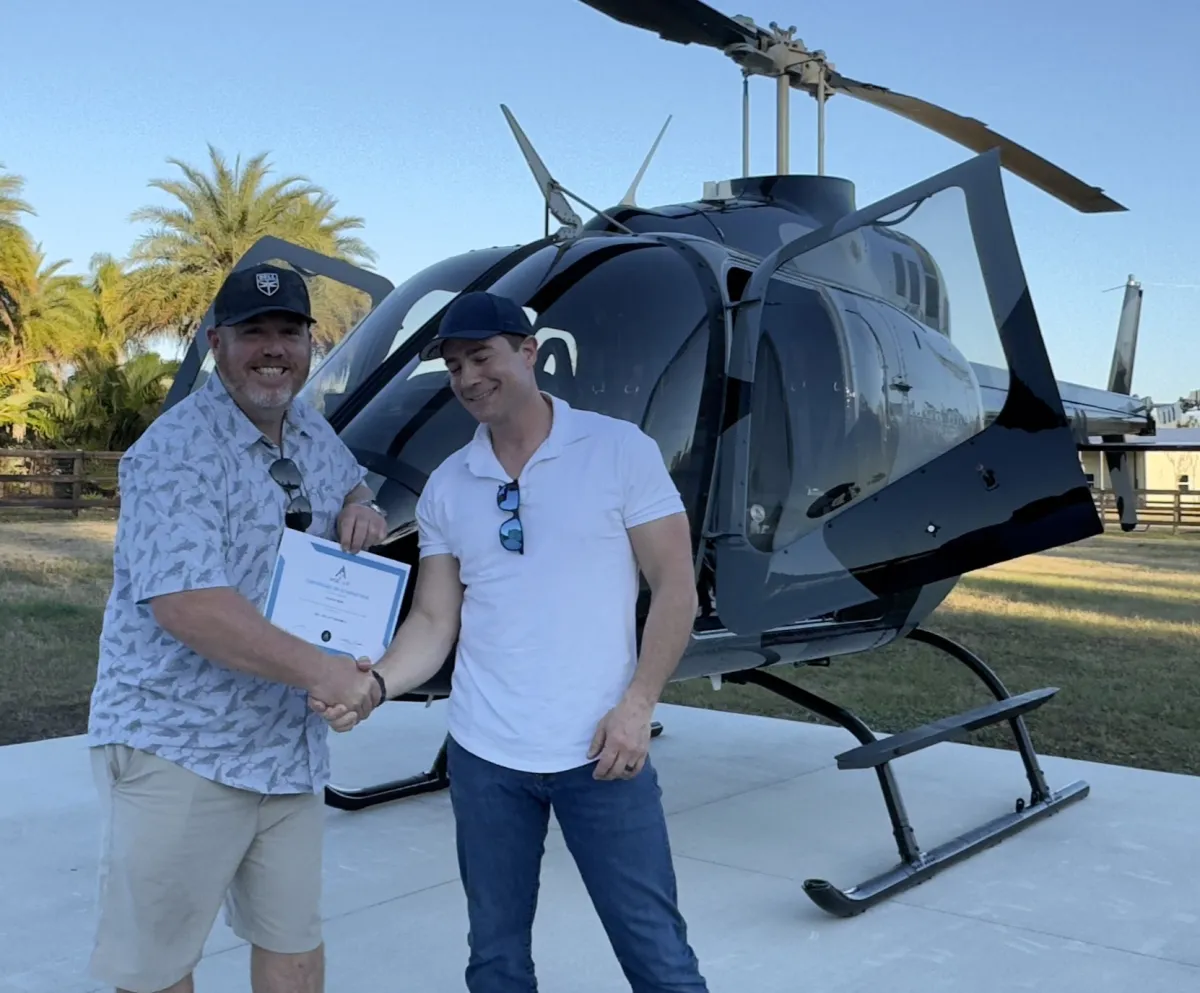
Certificate of Completion for the course, signed and dated
Line-item training record: ground items, normal procedures, operational maneuvers, emergency procedures
Certification of Upset Recovery & IIMC training to FAR 135 standards
All maneuvers conducted and evaluated to current ACS standards
FAA Flight Review (FAR 61.56) — you leave current, not just trained
Complete package delivered to you and, on request, directly to your underwriter
FIT CHECK
Who this training is built for
On-site factory-level training is a fit if you:
Own or operate a turbine helicopter and want a structured standard, not "just enough to renew."
Prefer to train in your own aircraft and environment instead of traveling to a factory center.
Want cleaner conversations with your insurer about training, risk, and proficiency.
Value calm, honest feedback over flattery or checkride theatrics.
Would like to experience a variety of training scenarios that vary each year.
If you're looking for a rubber-stamp signoff, we're probably not the right fit. If you want disciplined, repeatable training at your base, we are.
HOW IT WORKS
How on-site training works

Schedule a call
We review your aircraft, flying profile, insurance requirements, and any recent training or checkride history.

Build your syllabus
We design an initial or recurrent syllabus around your aircraft, missions, and insurer expectations — including ground, flight, and documentation.

Train at your base
We come to your hangar, run the training to a clear standard, and provide a written summary you can keep for your records and share with your broker.
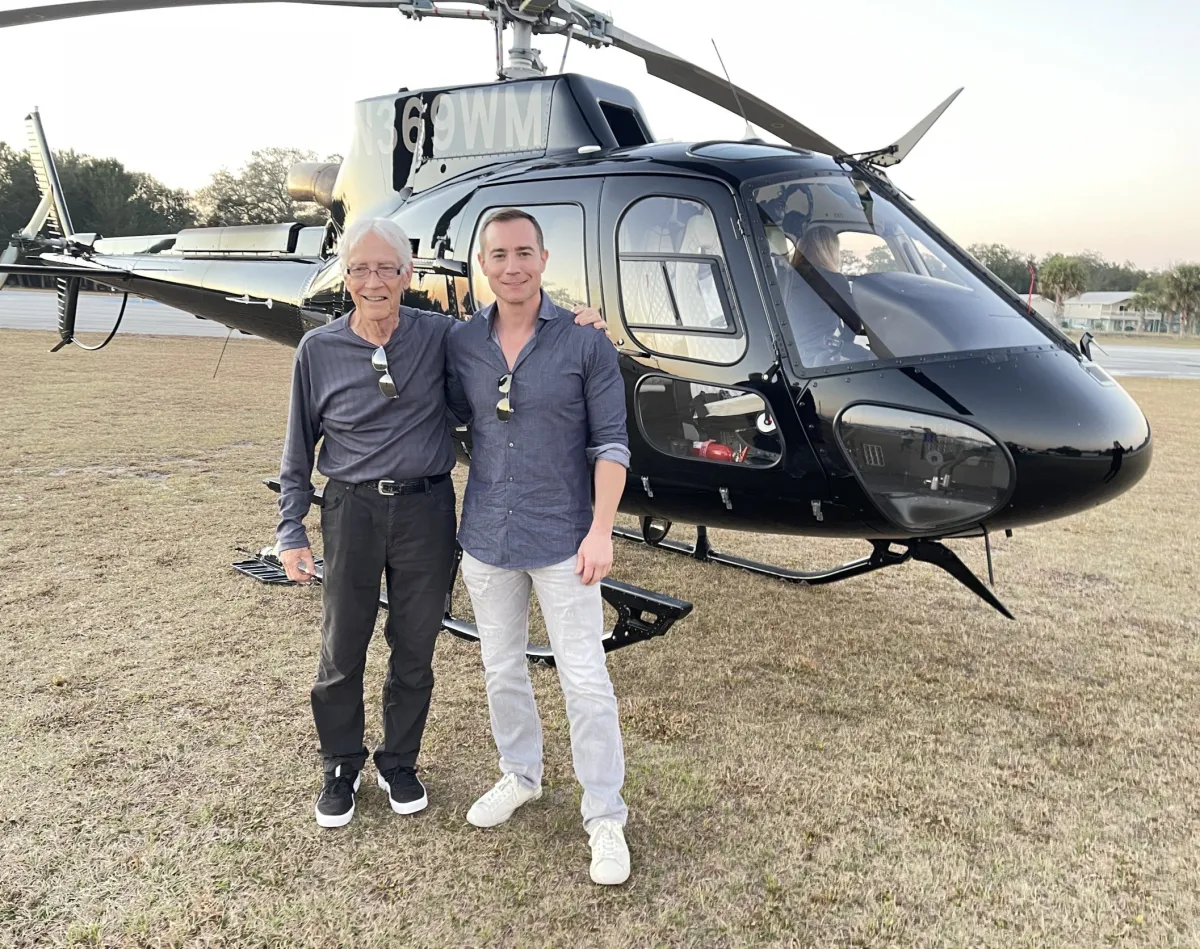
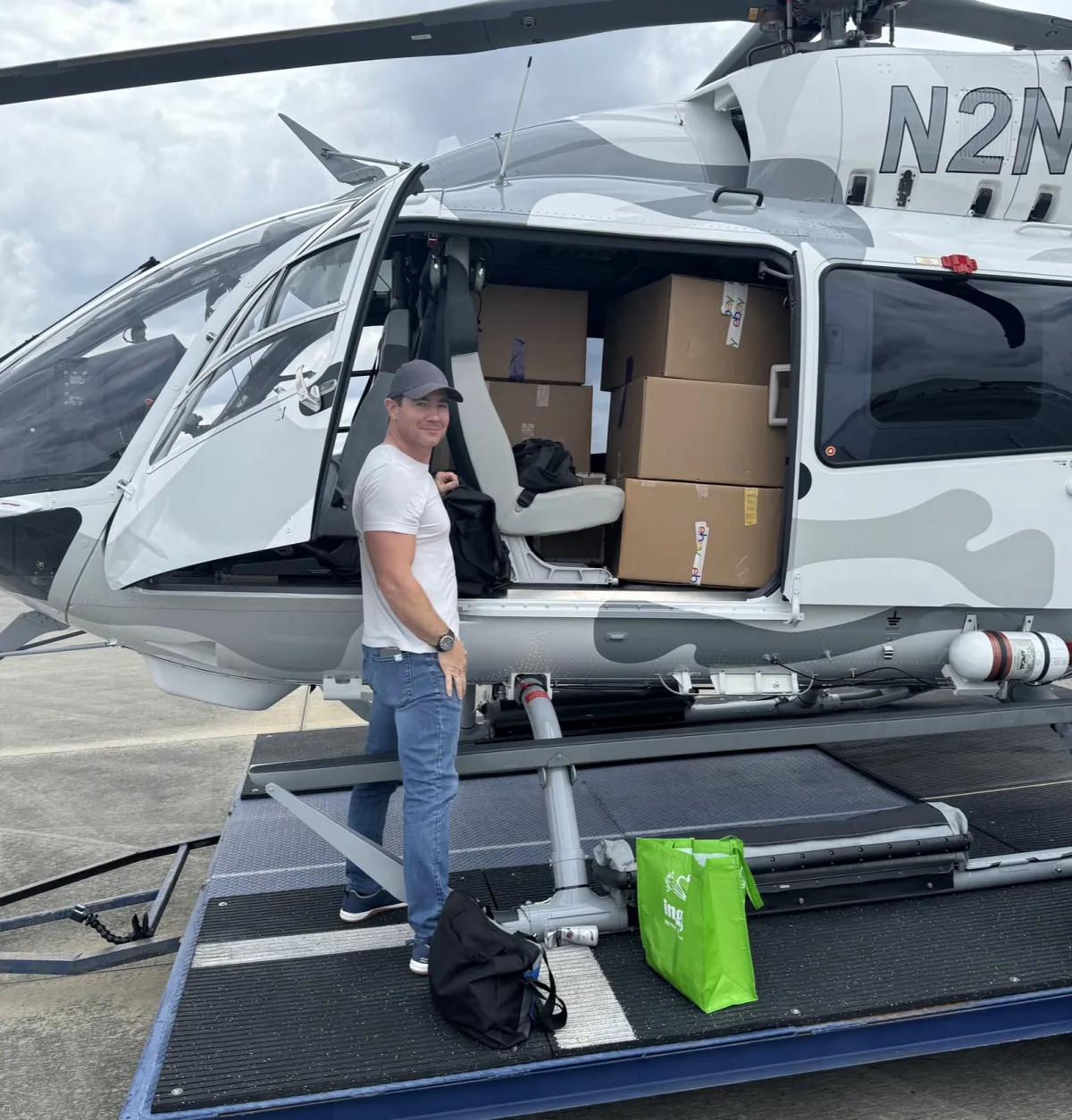
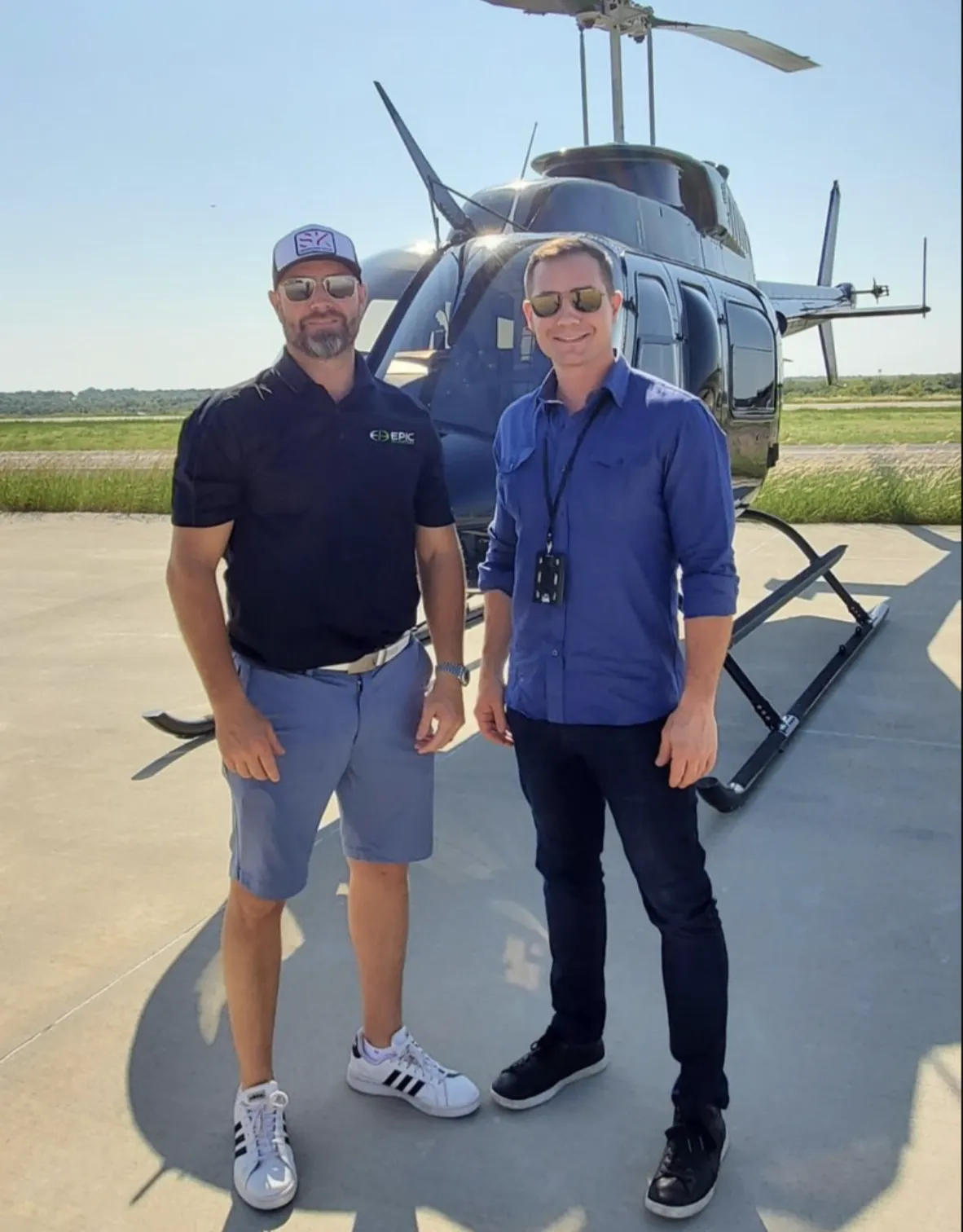
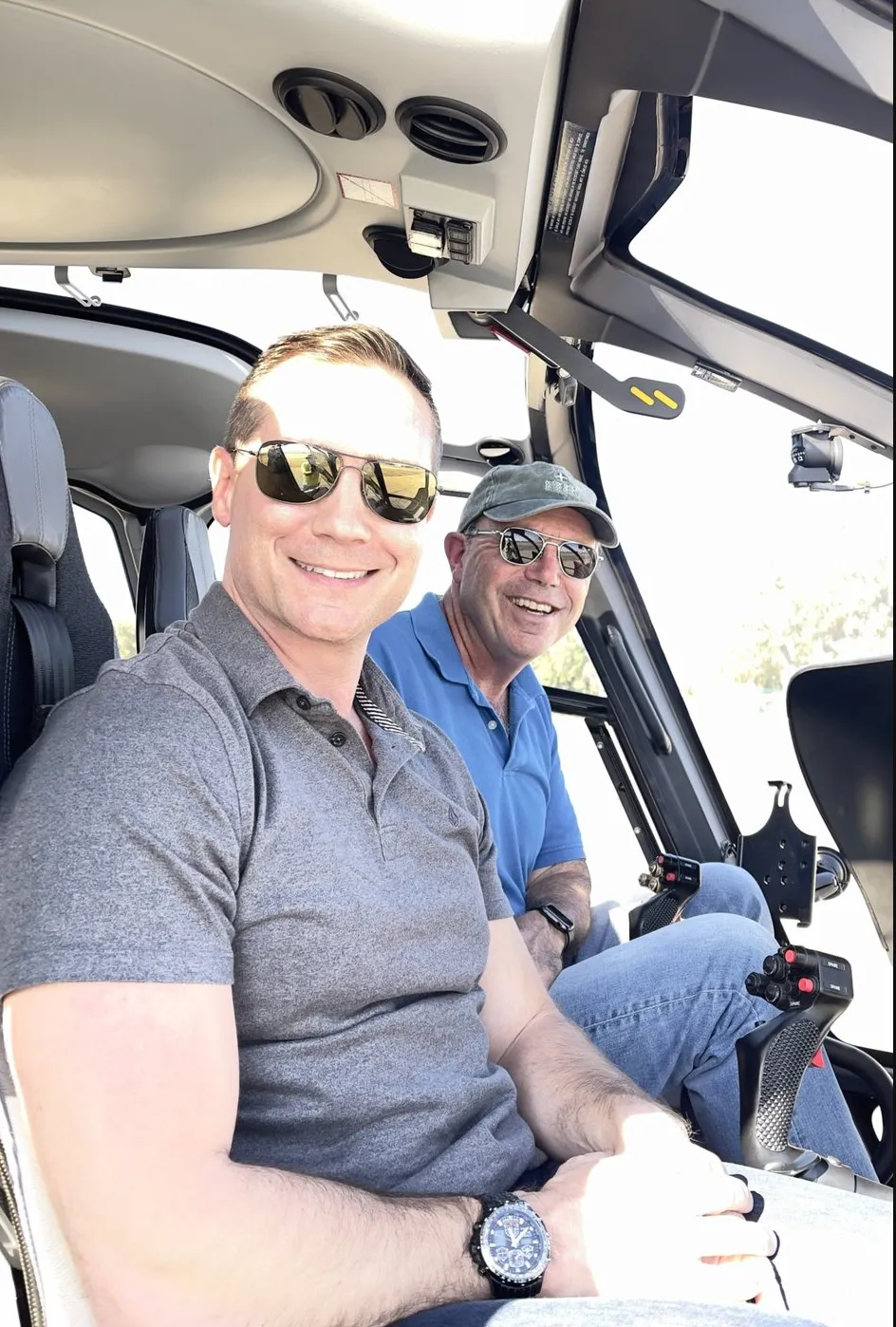
WHO'S IN YOUR left (or right) SEAT
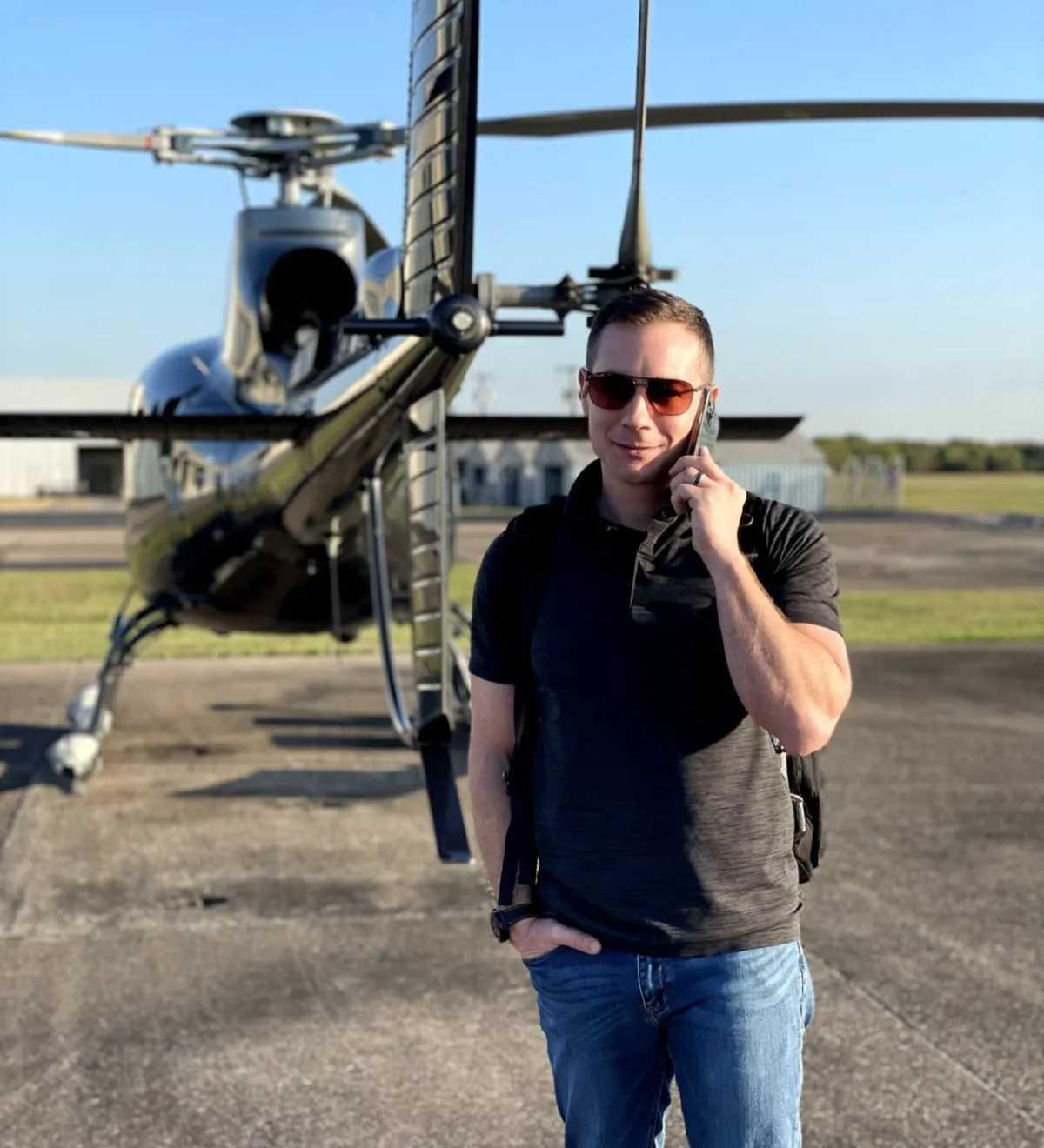
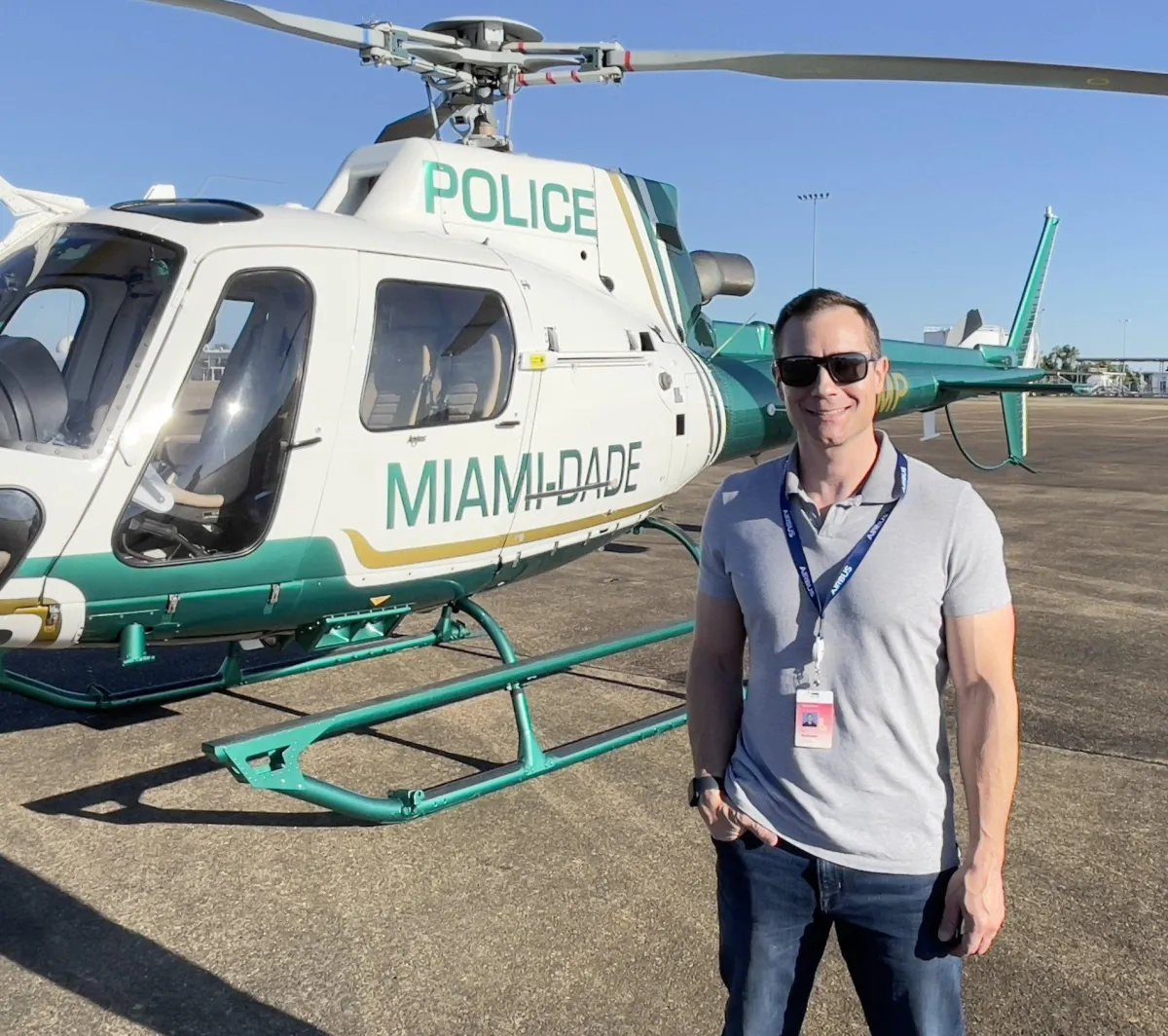
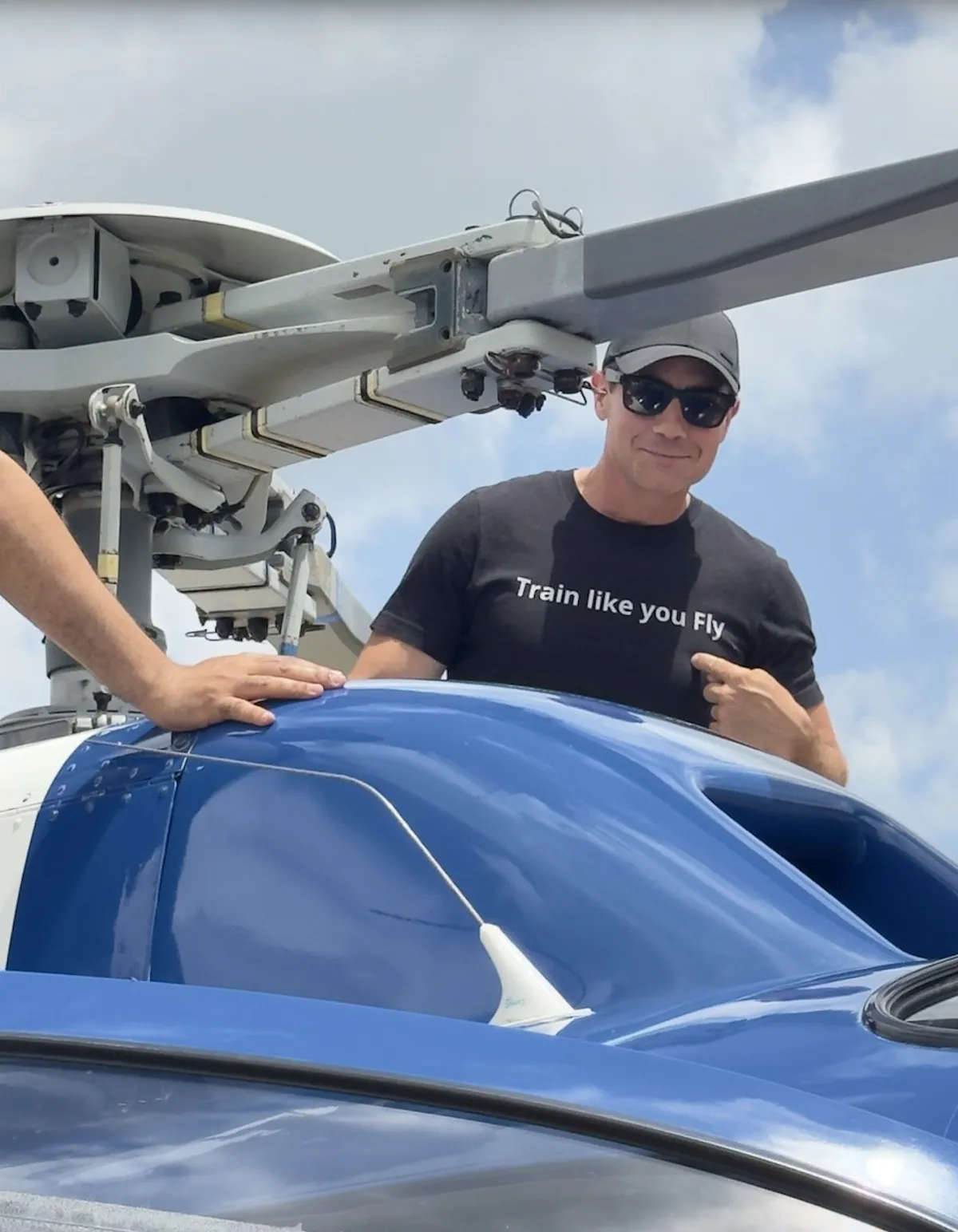
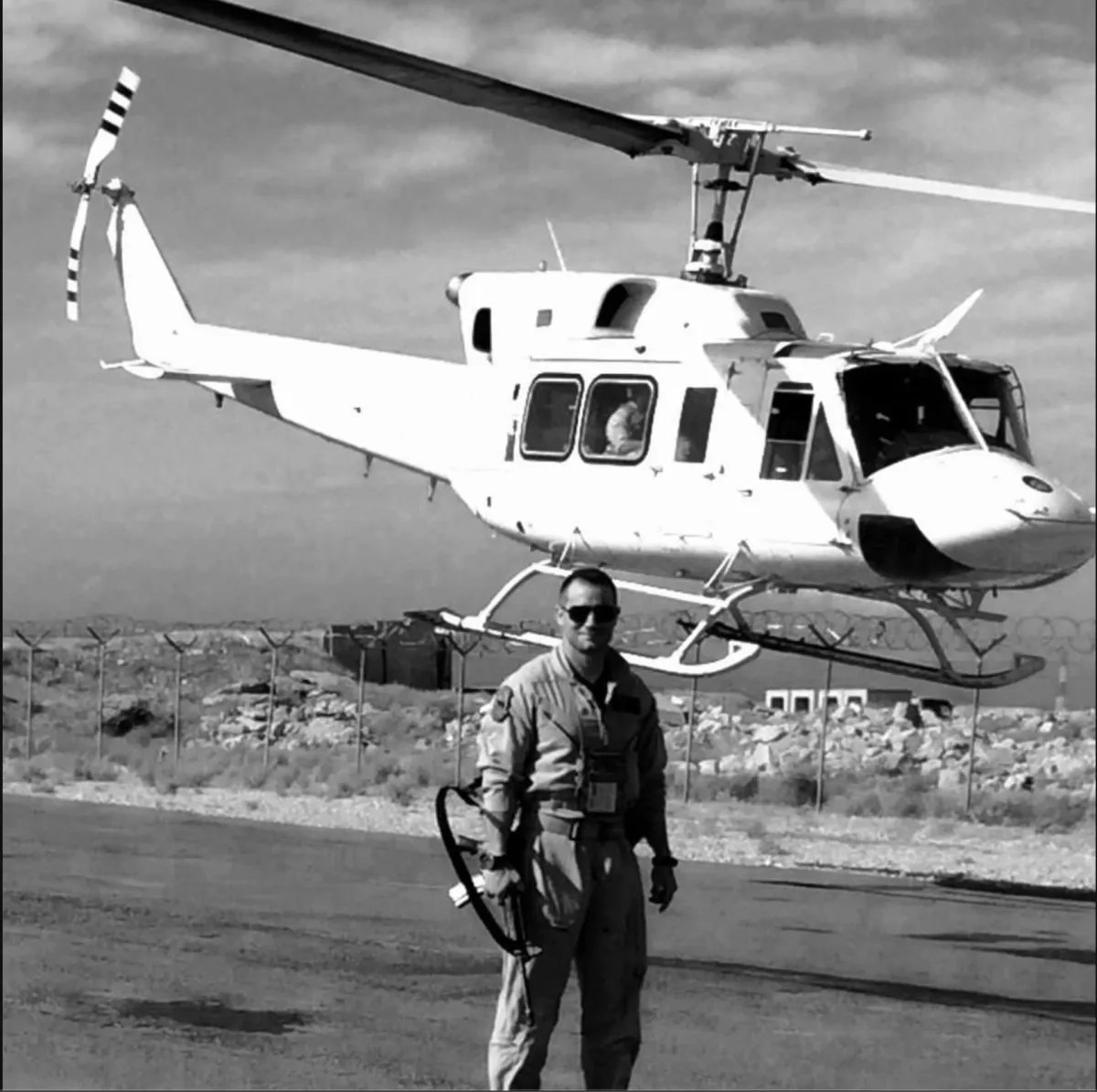
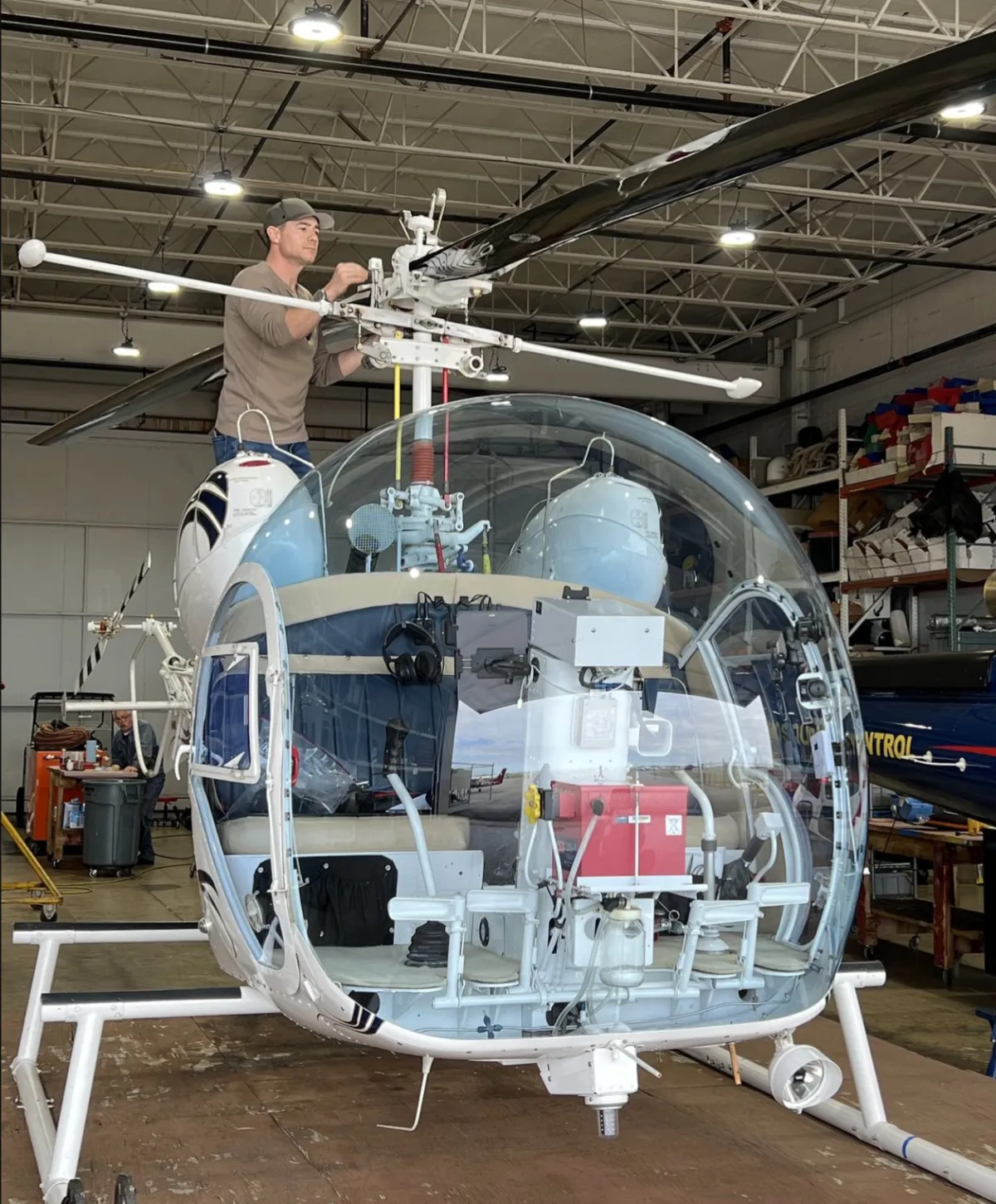
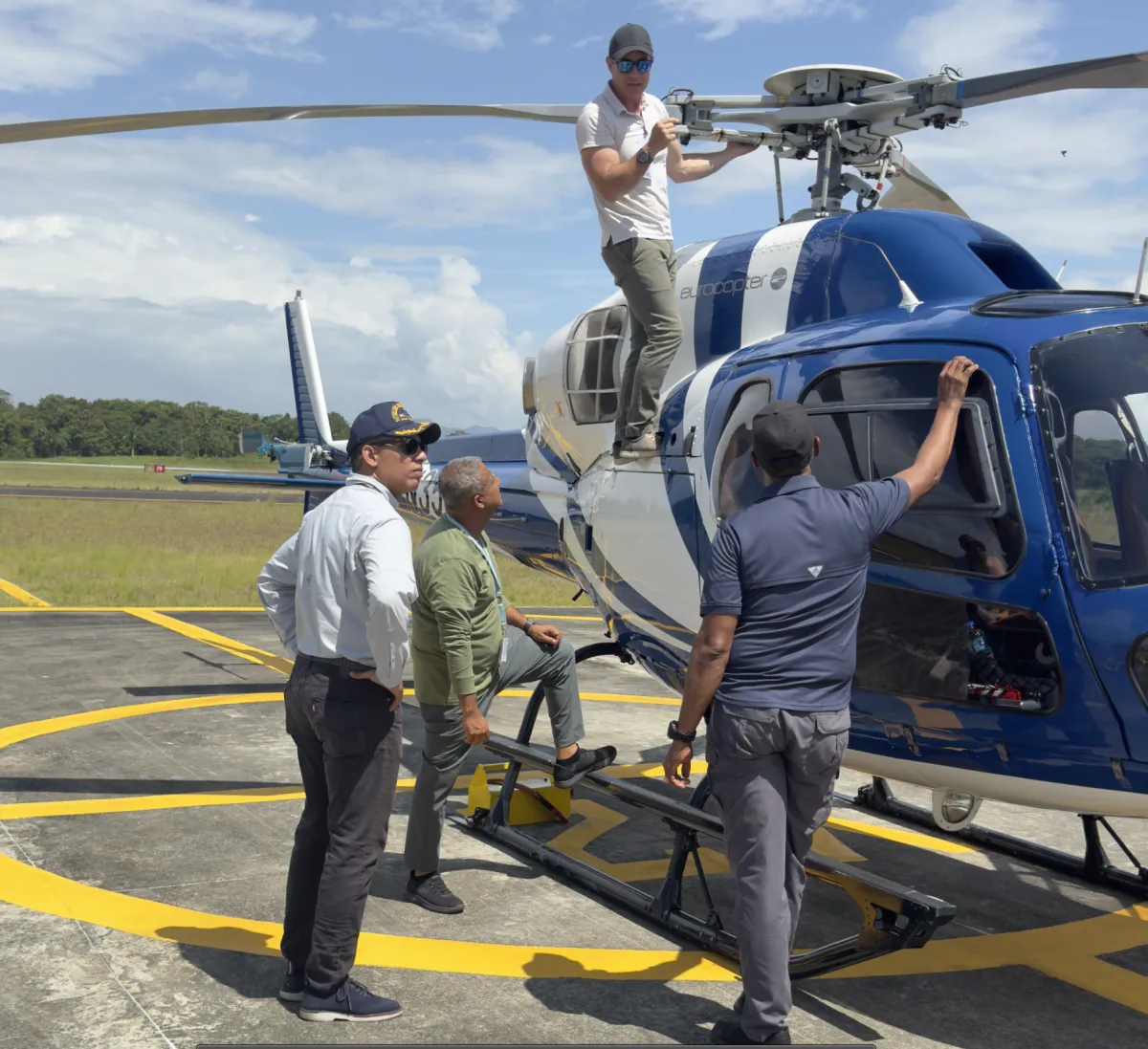
Hey, I'm Ian!
"The nature of cookie cutter training programs has always troubled me. Checking boxes is the anthesis of analyzing and enhancing proficiency. I love being able to stick with a client until they can uphold the sacred trust of their safety-sensitive role."
Ian Robinson has spent twenty + years flying the missions your helicopter was built for — EMS, utility, tours, high-density-altitude mountain work, VIP, corporate, charter, combat-zone operations and teaching the pilots who fly them with one singular mission — to scale aviation safety through enjoyable training.
ATP Helicopter ATP/CFI/CFII & Airplane ATP
Airbus Helicopters OEM Factory Contract Instructor — H125 customer training & delivery
EMS air rescue pilot, base manager & safety officer — nationwide single-pilot IFR
Director of Training — high-DA tactical operations, H125/AS350 · AS355 · B212
Part 121 airline pilot (A320 · E190) · pilot recruiter & interviewer
CRM instructor · Leadership & Command training · NVG operations
President & Chief Instructor, Avic Air LLC — insurance-accepted training since 2006
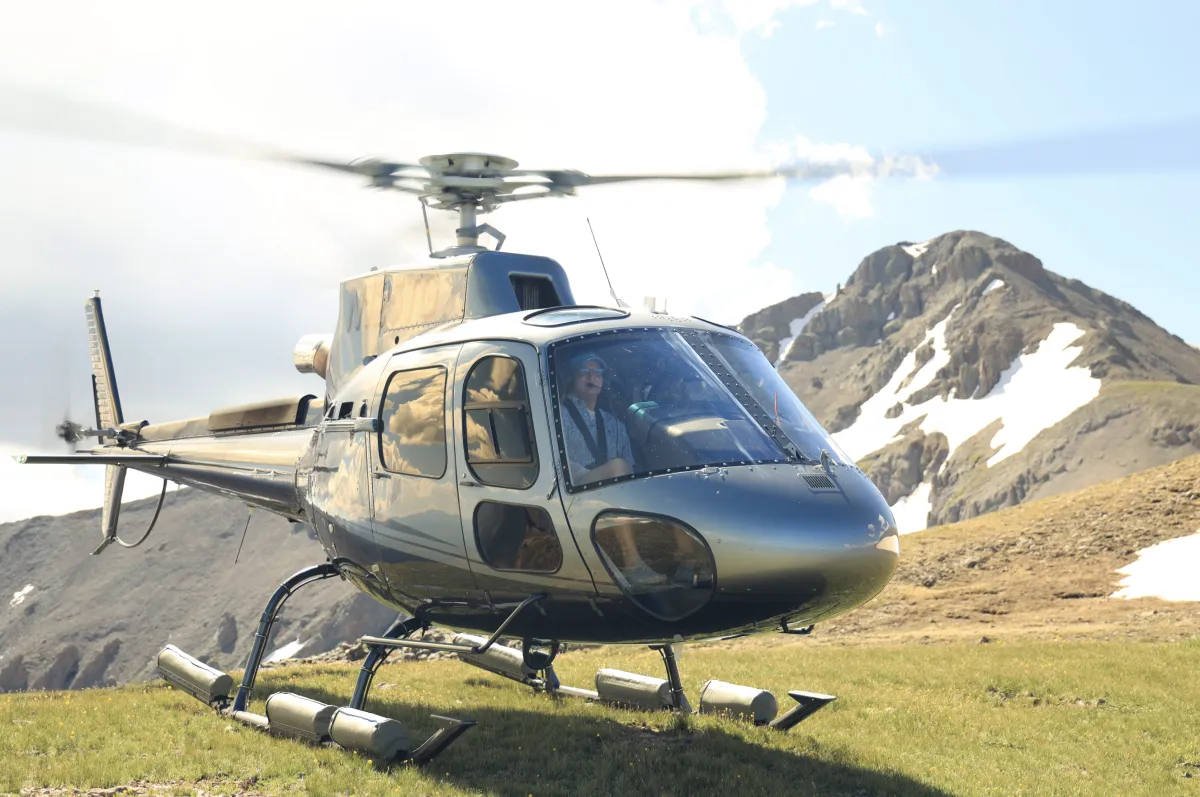
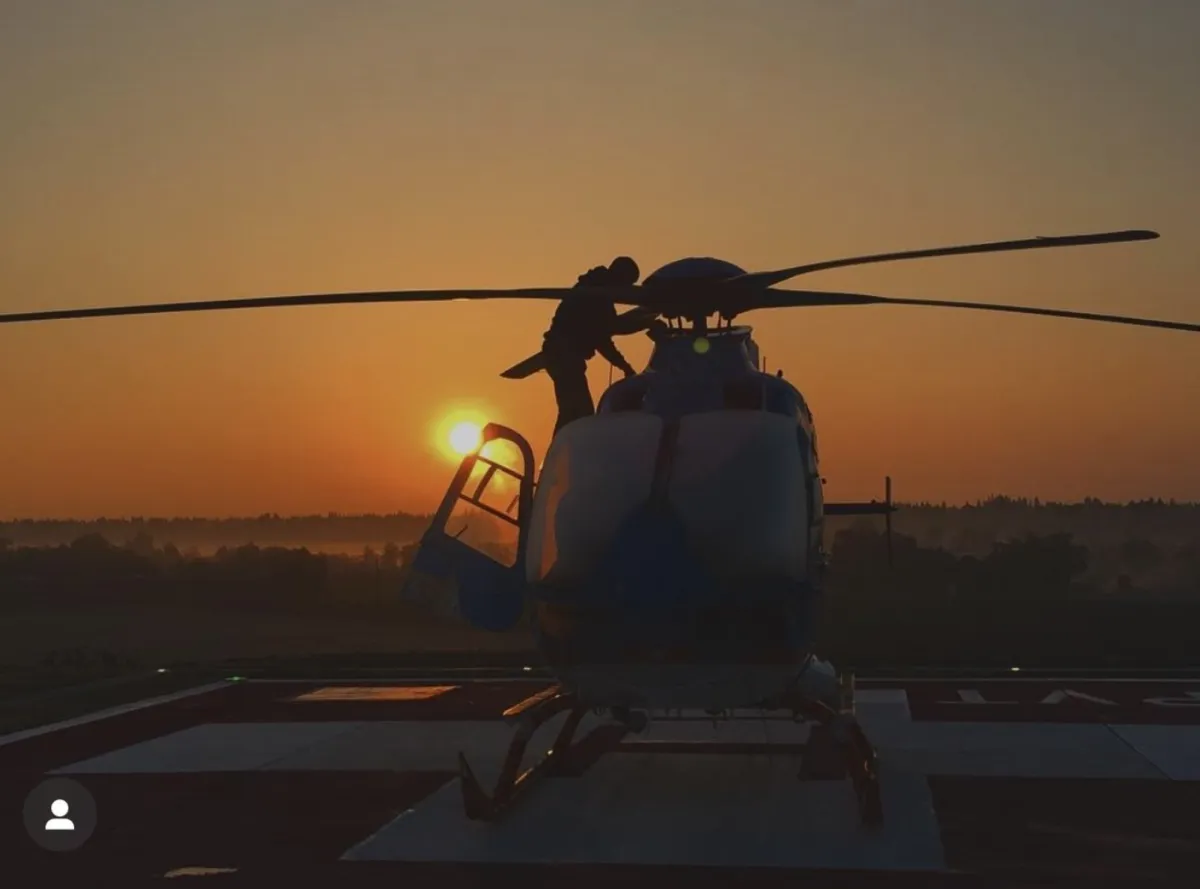
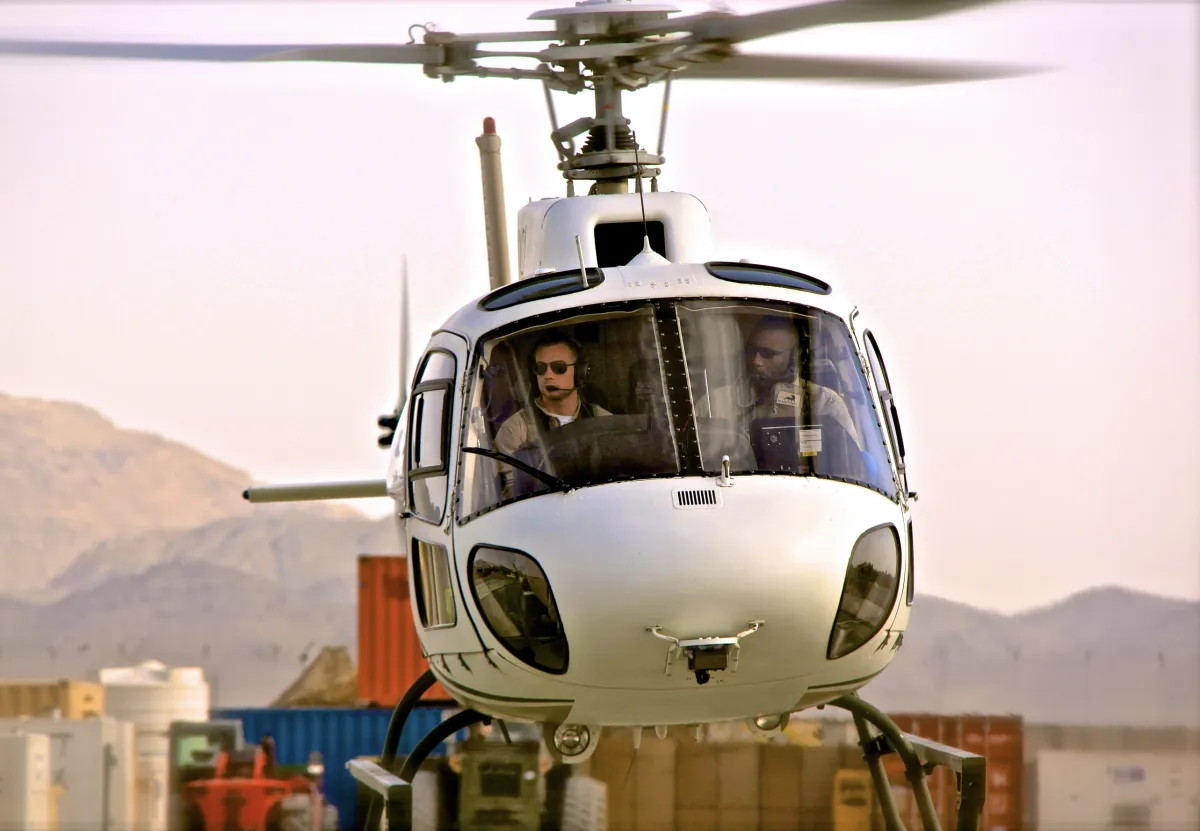
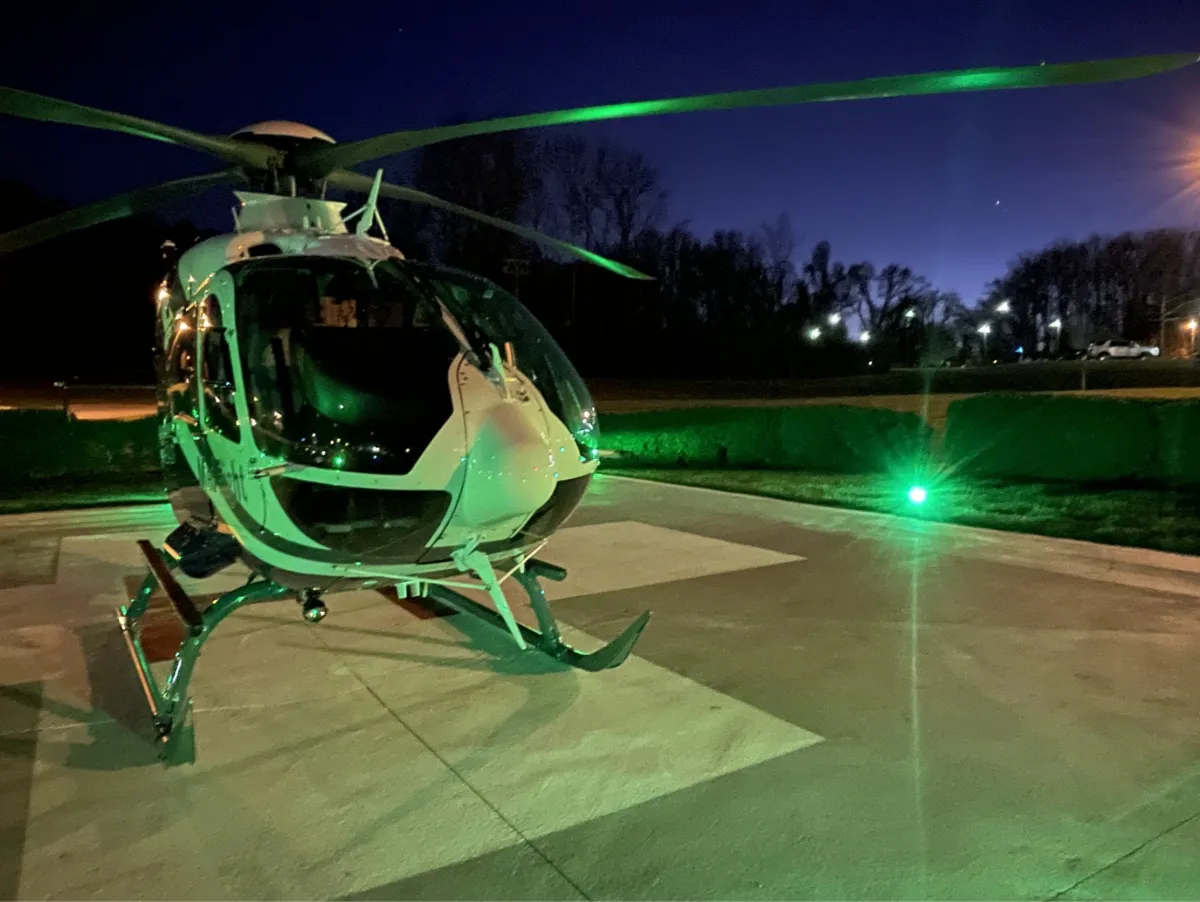
TRAINING DOCUMENTED
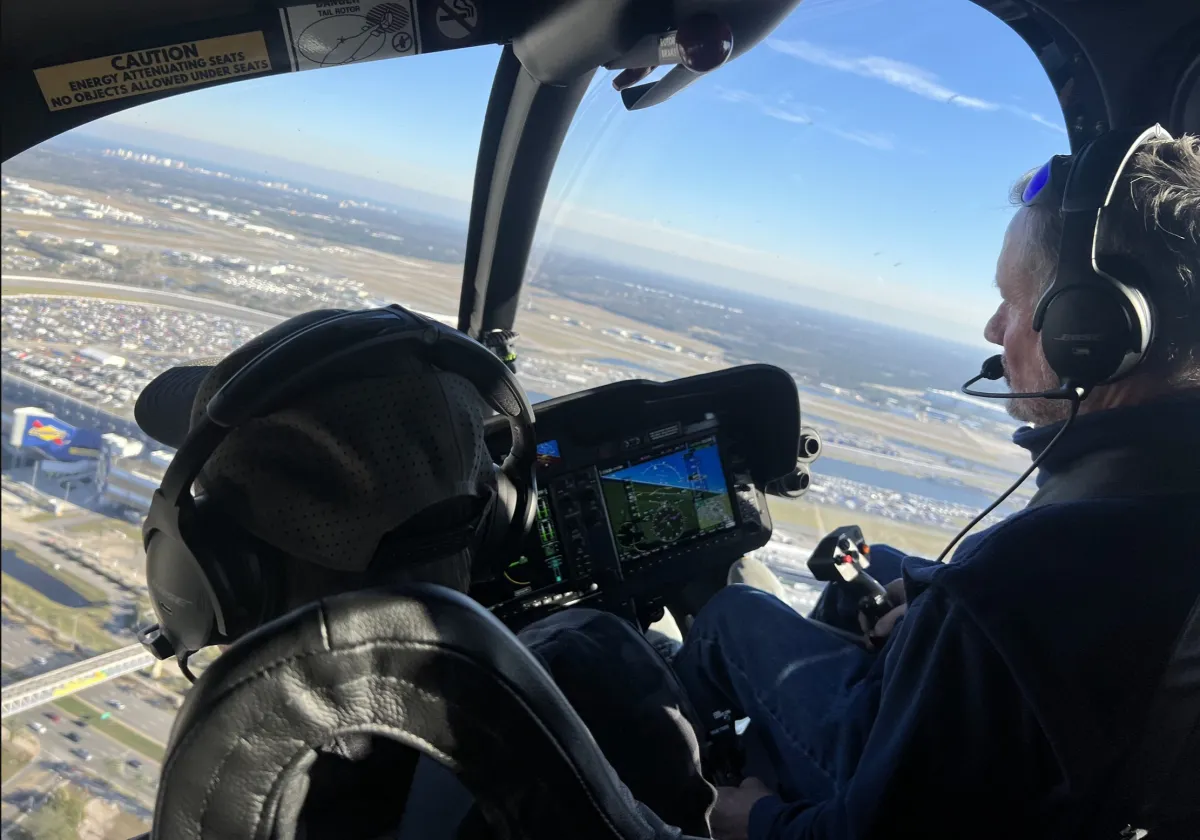
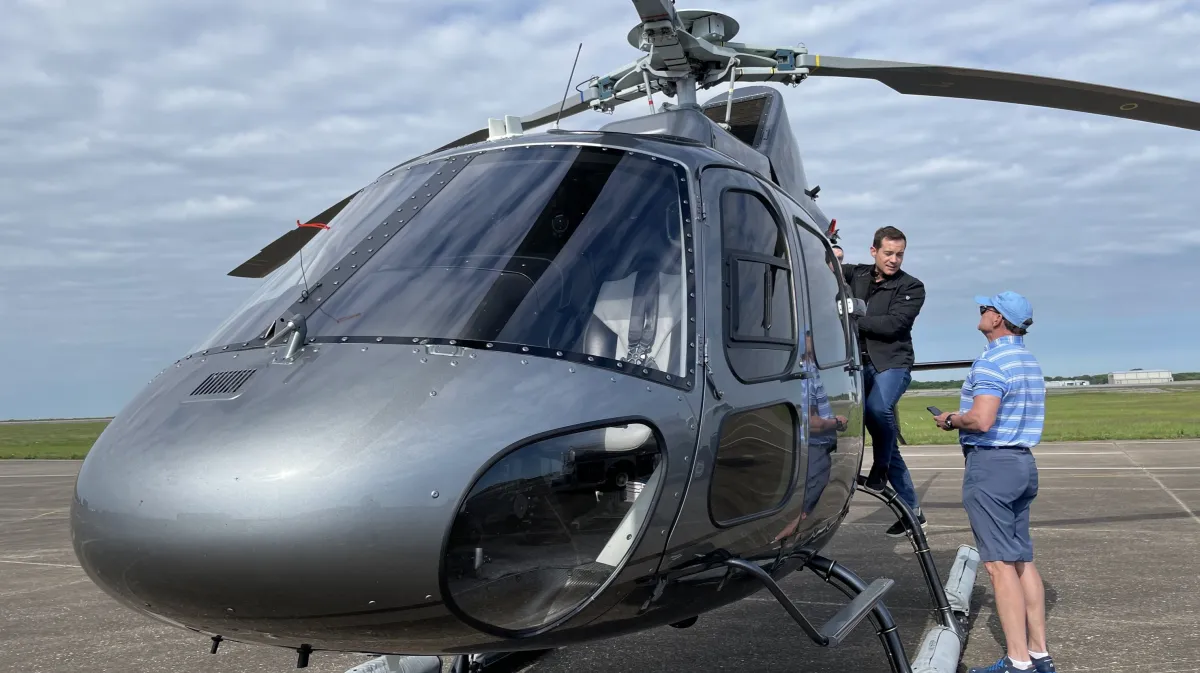
Real Owners. Real Missions. Real Reps
TESTIMONIALS
What others are saying
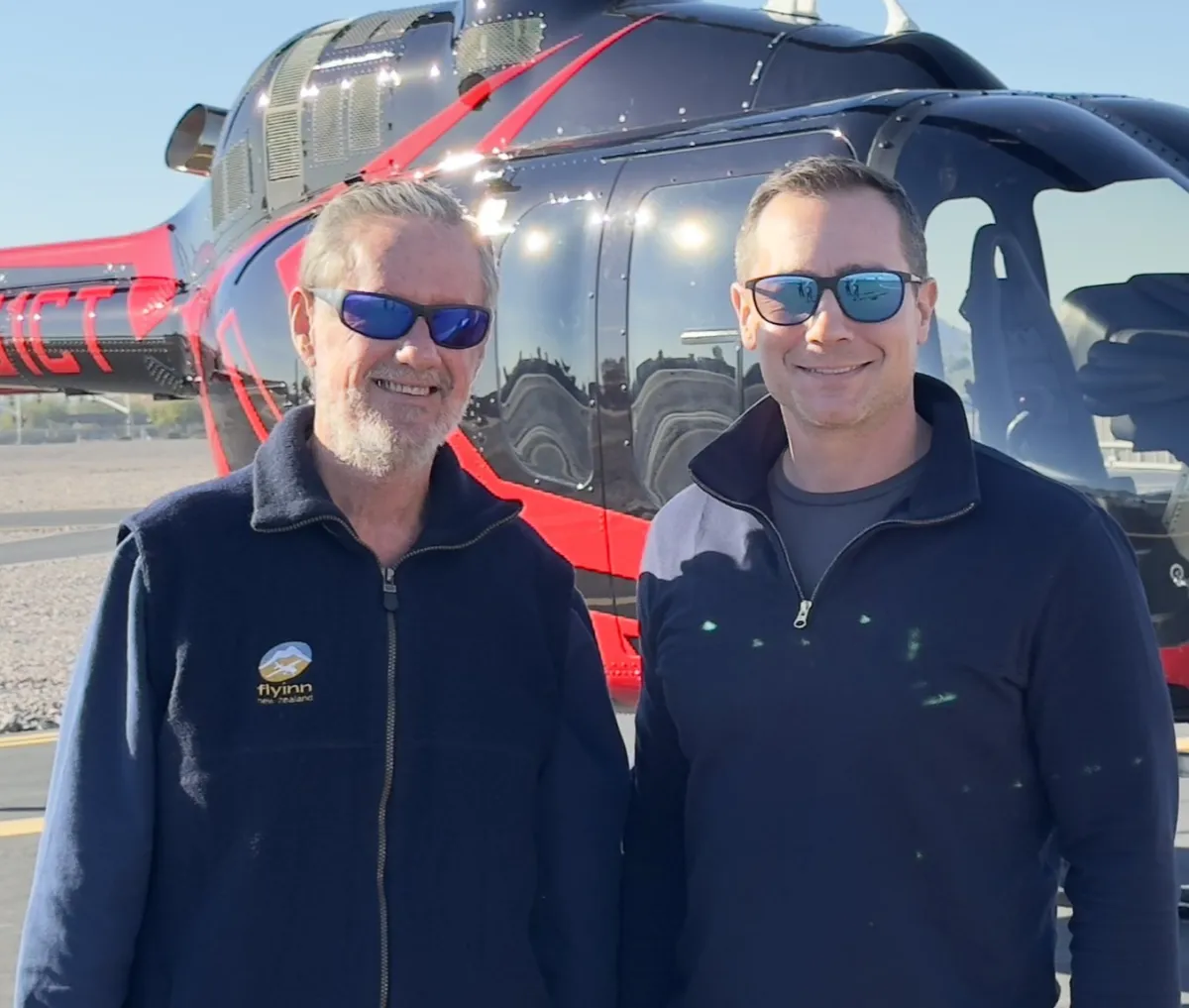
"My Objective Opinion."
"I have operated a large family corporation my entire life and have been involved in the flying for decades. Managing and flying our airshow sponsorships, flight charity, and corporate flight division has provided me with the opportunity to fly with the world's best pilots. I take my training very seriously; when I found Ian, my search in the helicopter sector is finally over. You won't find a person who cares about your progress and safety as much as he does."
- Rick Klein

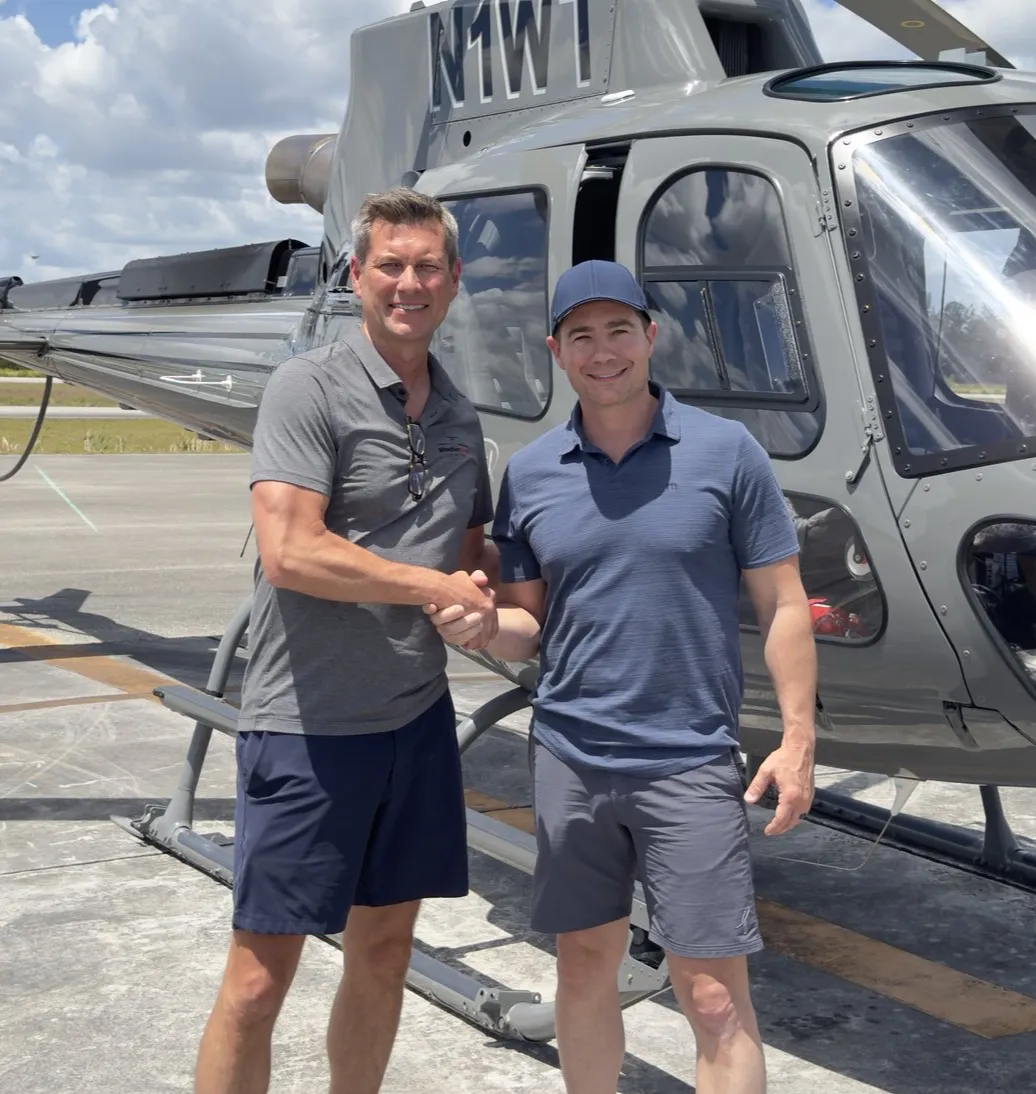
"From one OEM Instructor & Test Pilot to another."
"Ian and I recently finished my Instrument Add-On to my Commercial Helicopter license. His tutelage was exactly what I needed to get me ready for my check ride.
Over the course of my career, which covers Part 121, 135, 91 as well as Production Test for a major OEM, I can definitively say, Ian is one of the most professional, knowledgeable and capable people I’ve ever worked with. His attention to detail and ability to adaptively communicate those details make him a fantastic instructor."
- CJ Jacobsen
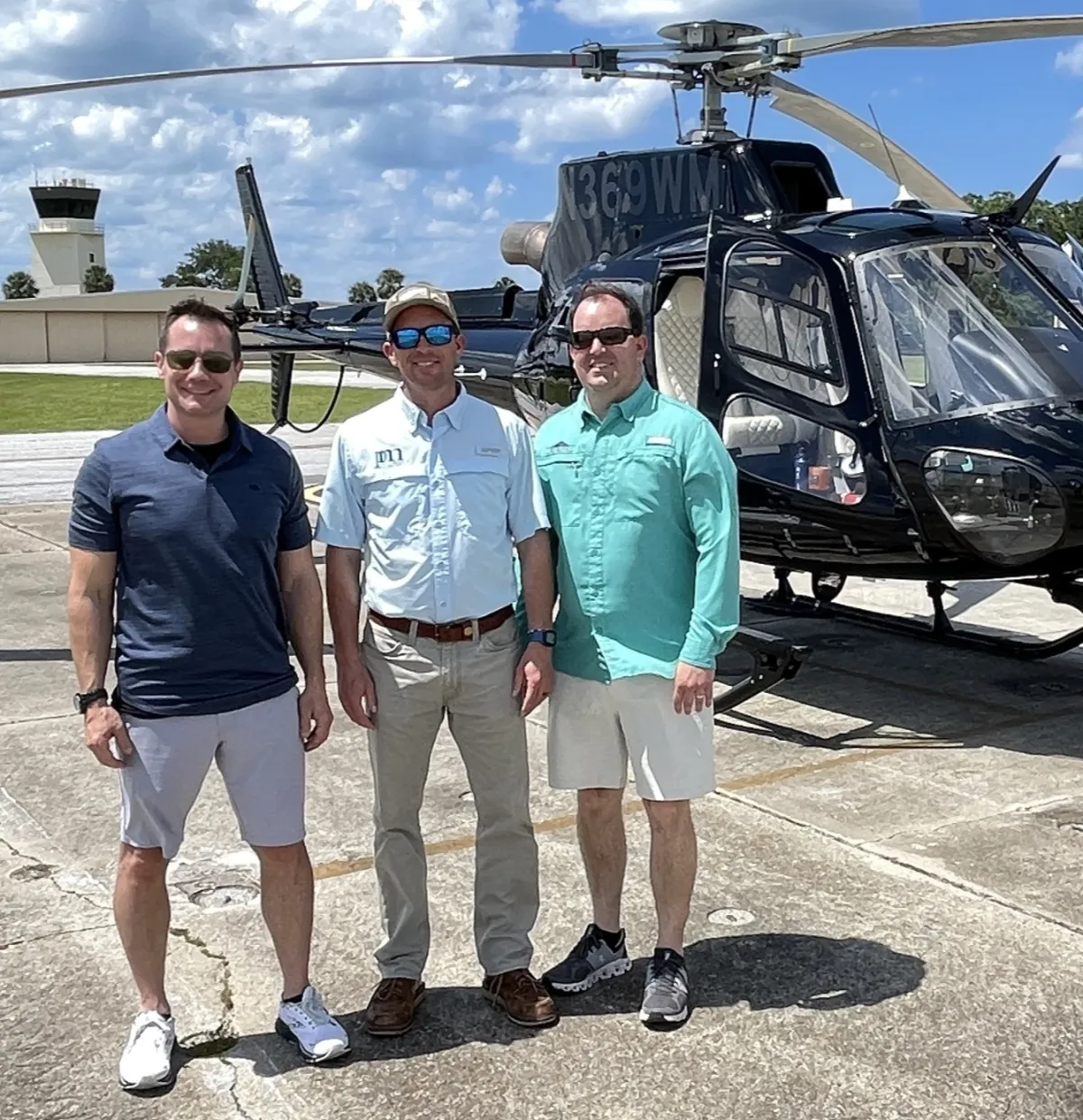
"Highly recommend this training."
"We have the option and flexibility to train wherever we want. My brother and I fly more than most private owners and are always looking for diversity in our training beyond the traffic pattern work that you get at the OEM. Ian is an outstanding instructor that tailors his services to your wanted and/or needed fundamentals based on your experience and goals. I would highly recommend Ian if you are truly interested in learning/advancing/refreshing any skill set in aviation. Looking forward to our next adventure!"
- Heath McCall
QUESTIONS OWNERS ASK
FAQ
Will training in my own aircraft actually satisfy my insurance requirements?
In most cases, yes. We are currently approved with all competitive underwriters and will coordinate with your broker ahead of time so they understand the syllabus, hours, and documentation we'll provide. The final decision is always your underwriter's, but our clients typically see smoother renewals and fewer follow-up questions.
Isn't factory training better?
Factory courses are excellent for type introductions and system diagrams. Many owners do both. Our role is to bring that level of discipline into your day-to-day environment and enhance your understanding during practical application in your aircraft, routes, and weather. For some owners, on-site training is their primary solution; for others, it's a complement to the factory. We encourage you to attend the factory if you have the time to travel and finances to spend at their facility at least once.
Which helicopters do you cover?
We focus on light single-engine and multi-engine turbines from Airbus (H125/AS350, H130, H135, H145), Bell (206 Jet Ranger/Long Ranger series, 407, 505), and the MD 500 series, plus Robinson R44 and R66 — with other less common models available as well (i.e. Bell 47, Bell 230, Bell 212). If you're unsure whether we can support your aircraft, ask in the quote form and we'll give you a clear yes or no.
How long does it take?
Most recurrent programs run two to four days (ground school plus flight training). Initial training or mission-specific programs can be longer. We'll recommend a duration after we understand your experience, aircraft, and insurance expectations.
Will this lower my premium?
Each underwriter handles their risk evaluation on a case by case basis. We have a great reputation with our preferred network of underwriters and have gone through great lengths to show clear evidence that our training is thorough, documented, and historically accident free with all of our clients. When an underwriter sees clear evidence of structured, recent training in your aircraft, many owners find renewals less stressful and, over time, see better outcomes than with ad-hoc training.
Under certain circumstances, higher risk owners have seen premiums $50,000 to $90,000 higher on their initial quote before being placed on an Avic Air approved mentorship schedule during the first year of their acquisition. The savings has more than covered the cost of the training program with the added bonus of safety.
Do you train operator crews, or just owners?
Both. We work with individual owners and with operators who want a consistent standard across multiple pilots. Tell us about your operation in the quote form and we'll let you know what makes sense.
I'm buying a helicopter right now. Where do I start?
Start by talking with your broker and insurer about training expectations, then book a call with us. We can help you understand what underwriters typically look for on a new purchase and build a training plan that supports your first year of ownership.
GET STARTED
Tell us about your helicopter and how you fly. We'll come back with a proposed training plan, dates, and pricing — and, if you want it, a summary you can share with your broker or underwriter. No obligation, no pressure.